
Hemorrhoids vs Anal Fissures: Key Differences
Hemorrhoids and anal fissures get confused constantly, and it’s understandable — both can cause bleeding and discomfort in the same general area. But they’re structurally different problems, and treating one like the other doesn’t help and can delay proper care.
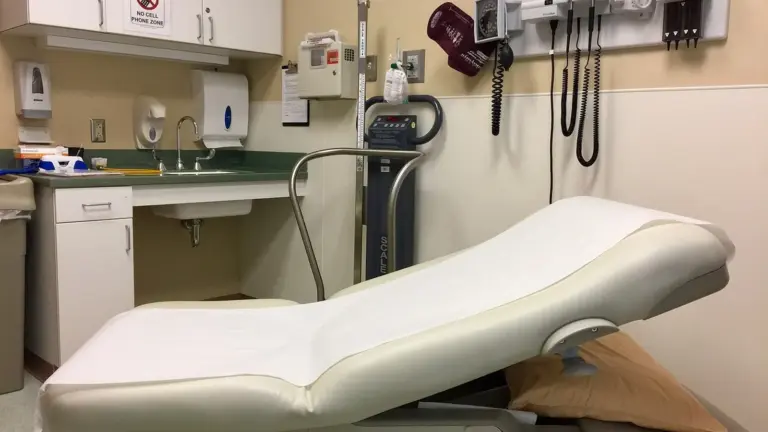
Both conditions need a real look if you’re not sure. Rectal bleeding shouldn’t be self-diagnosed as either one without at least one medical exam, particularly if it’s new, persistent, or paired with a change in bowel habits or weight loss.
What a hemorrhoid is
A hemorrhoid is a swollen blood vessel — internal ones are usually painless and bleed; external ones can itch, swell and hurt, especially if a clot forms. See our full explainer on what hemorrhoids are if you want the broader picture.
What an anal fissure is
An anal fissure is a small tear in the lining of the anal canal, almost always caused by passing a hard or large stool. Unlike most hemorrhoids, fissures are typically sharp and very painful — people often describe it as feeling like passing broken glass, followed by a burning ache that can last minutes to hours afterward. Fissures also bleed bright red, but usually in smaller streaks on the stool or paper rather than dripping.
The key differences
| Hemorrhoid | Anal fissure | |
|---|---|---|
| What it is | Swollen blood vessel | Small tear in the lining |
| Pain pattern | Often none (internal) or dull ache (external) | Sharp pain during and after bowel movements |
| Bleeding | Can be more noticeable, dripping | Usually a thin streak |
| Visible lump | Often, if external | Rarely — sometimes a skin tag nearby (“sentinel pile”) |
| Typical cause | Chronic straining, pressure | One episode of hard or large stool |
Why the pain pattern is the best clue
If pain arrives as a sharp, tearing sensation during the bowel movement itself and lingers as a burning ache afterward, that points toward a fissure. If discomfort is more of a dull pressure or itching, with or without a lump, that points toward a hemorrhoid. Neither rule is absolute — see a doctor if you’re genuinely unsure, especially since the two conditions can occur together.
Do they need different treatment?
There’s real overlap: both benefit from more fiber and fluids to soften stool and reduce straining, along with warm sitz baths. Fissures often also need a topical ointment (sometimes prescription) to relax the anal sphincter muscle and let the tear heal — something hemorrhoid creams don’t do. Chronic fissures that don’t heal with conservative care may need a minor procedure, similar in spirit to how advanced hemorrhoids are managed. If your issue is confirmed as a hemorrhoid, our Hemorrhoids Healing Protocol review covers a structured fiber-and-habits approach built around that specific condition.
Frequently Asked Questions
Can you have a hemorrhoid and a fissure at the same time?
Yes, and it’s not unusual — chronic straining is a shared cause, so the same episode of constipation can produce both.
Which one is more painful?
Fissures are usually more acutely painful, especially during the bowel movement itself. Hemorrhoids are often painless unless external and irritated or thrombosed.
Do fissures heal on their own?
Many do within a few weeks with softer stool and less straining. Chronic fissures — lasting more than about 6-8 weeks — usually need more active treatment.
How can a doctor tell them apart quickly?
A visual exam is usually enough — a fissure is a visible tear at the anal opening, while a hemorrhoid is a swollen vascular cushion, either internal or external.
What to Read Next
- What Are Hemorrhoids? Causes, Symptoms and Types
- What Does a Hemorrhoid Look Like?
- Why Do Hemorrhoids Itch?
Affiliate disclosure: some links on this page are affiliate links. If you buy through them we may earn a commission at no extra cost to you. See our affiliate disclosure and medical disclaimer.
Sources and further reading
General background on hemorrhoids from public health sources: