Can Hemorrhoids Cause Back Pain?
People searching “can hemorrhoids cause back pain” are usually dealing with both at once and trying to work out if they’re connected. Short version: hemorrhoids themselves don’t typically cause lower back pain directly, but the habits and postures behind both conditions overlap enough that having one alongside the other is common.
One exception worth flagging: new lower back pain combined with rectal bleeding, unexplained weight loss, or a change in bowel habits should be checked by a doctor rather than assumed to be hemorrhoid-related — those combined symptoms occasionally point to something that needs proper investigation.
Why the two often show up together
A few shared triggers explain the overlap:
- Straining on the toilet — the same repeated Valsalva maneuver (bearing down) that increases pressure on the anal cushions also loads the lower spine and can aggravate existing back issues
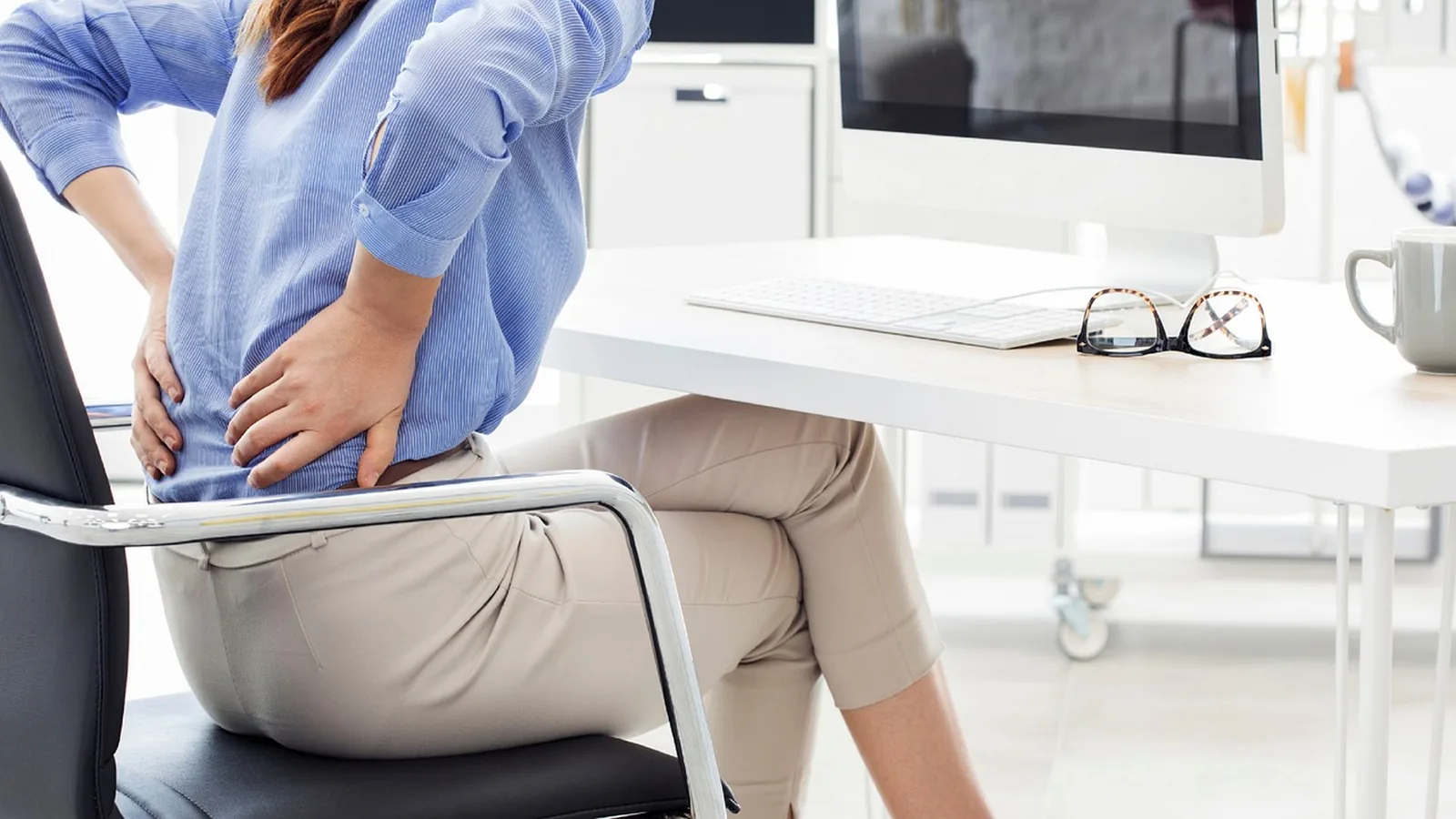
- Prolonged sitting — a desk job or long commute raises pressure in the pelvic and anal area while also being a well-known contributor to lower back pain
- Pregnancy — increased pelvic pressure and postural changes commonly bring both hemorrhoids and back pain in the same trimester
- Heavy lifting — improper lifting technique strains the back and, if done with breath-holding and straining, also increases anal pressure
When it might feel connected but isn’t quite “back pain”
Some people describe a dull ache low in the pelvis or tailbone area that radiates and feels like it’s “in the back” when it’s actually referred discomfort from a swollen or prolapsing hemorrhoid, or from straining muscles around the pelvic floor. This tends to ease alongside hemorrhoid symptoms rather than needing separate back treatment. One exception: a deep, throbbing ache near the tailbone that keeps getting worse over a few days, especially with fever or a tender swelling, can be an anal abscess rather than a hemorrhoid. That needs a doctor promptly, not home care.
What to do about it
Since the shared driver is usually straining and prolonged sitting, addressing those helps both problems at once: more fiber and fluids to avoid straining, standing breaks if you sit for long stretches, and proper lifting form if that’s a factor. If hemorrhoids are the primary issue and you want a structured approach, see our Hemorrhoids Healing Protocol review.
When to treat them as separate problems
If the back pain is sharp, radiates down a leg, or came on with a specific lifting injury, that’s a distinct musculoskeletal issue and deserves its own evaluation rather than being lumped in with hemorrhoid symptoms. Don’t delay seeing a doctor for concerning back pain just because you’ve also got hemorrhoids to deal with.
Frequently Asked Questions
Can a thrombosed hemorrhoid cause referred back pain?
It’s not typical — thrombosed hemorrhoid pain is usually localized and sharp right at the site, not radiating to the back.
Does treating hemorrhoids improve back pain?
If the back pain is genuinely linked to straining or prolonged sitting, reducing those triggers can help both. If the back pain has a separate cause, treating hemorrhoids won’t touch it.
Is back pain a warning sign with hemorrhoids?
On its own, no. Combined with bleeding, weight loss or a change in bowel habits, it’s worth mentioning to a doctor alongside those symptoms.
Can pregnancy-related back pain and hemorrhoids be treated the same way?
There’s overlap — posture, movement and pelvic support help both — but always check any specific treatment with your midwife or obstetrician during pregnancy.
What to Read Next
- What Are Hemorrhoids? Causes, Symptoms and Types
- Do Hemorrhoids Go Away on Their Own?
- Hemorrhoids Healing Protocol Review
Affiliate disclosure: some links on this page are affiliate links. If you buy through them we may earn a commission at no extra cost to you. See our affiliate disclosure and medical disclaimer.
Sources and further reading
General background on hemorrhoids from public health sources: