Rubber Band Ligation: What to Expect
Rubber band ligation is the most common in-office procedure for internal hemorrhoids, and for a lot of people the word “procedure” is doing more of the work than it should — it sounds far more involved than the fifteen-minute appointment it actually is for most patients. Here’s what genuinely happens, step by step, from booking the appointment to being back at your desk.
This is general information, not a substitute for your own doctor’s guidance. Suitability for banding depends on grade and individual anatomy, which only an exam can confirm.
Who it’s usually offered to
Banding is typically used for grade I to III internal hemorrhoids — ones that haven’t responded well enough to fiber, fluids and habit changes, but haven’t progressed to the point of needing surgery. It isn’t generally used on external hemorrhoids, since the skin there is sensitive enough that a band would cause significant pain rather than the mild pressure it produces on internal tissue.
The appointment itself
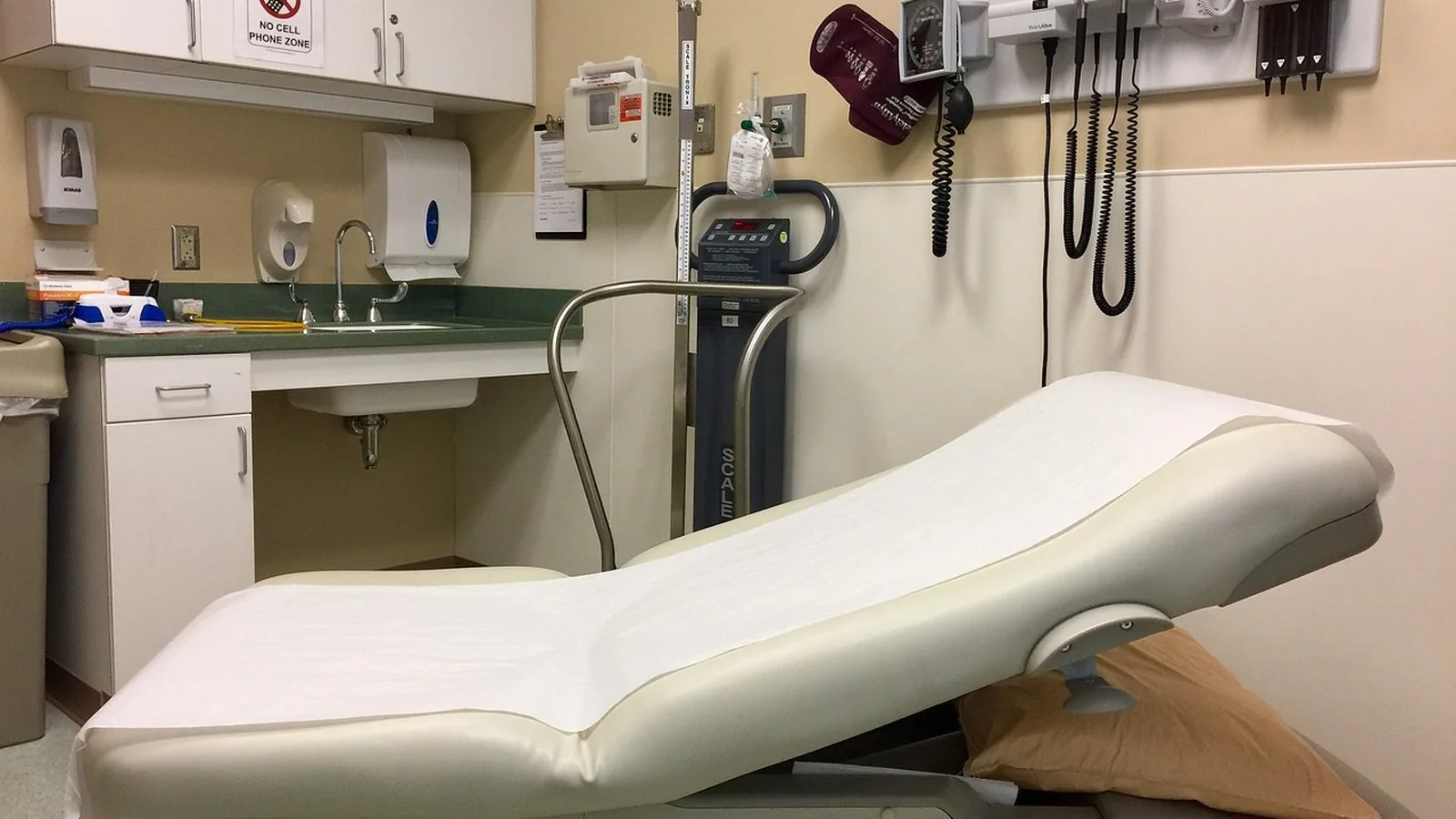
- No sedation, usually. Most banding is done in a clinic room with a small scope called an anoscope, not in an operating theatre.
- The doctor identifies the hemorrhoid through the anoscope and uses a ligator device to draw the base of it into a small chamber.
- One or two tiny rubber bands are released around the base, cutting off its blood supply.
- The whole thing takes a few minutes per hemorrhoid; most appointments last 10 to 20 minutes total, including setup.
- You can usually go straight back to normal activity afterward, though many clinics suggest taking it easy for the rest of the day.
Does it hurt?
Internal hemorrhoids sit above a line where most pain-sensing nerve endings stop, which is why the procedure itself is typically described as pressure or mild cramping rather than sharp pain — unlike a band placed too close to that line, which can be genuinely painful and usually means asking the doctor to reposition it. A dull ache or a feeling of needing a bowel movement for the first day or two afterward is common and normal.
What happens after
| Timeframe | What to expect |
|---|---|
| Day 1–2 | Mild ache, pressure, possibly some spotting |
| Day 3–7 | The hemorrhoid shrinks and starts to die off |
| Day 7–10 | The tissue falls away, often with a small amount of bleeding |
| 2–4 weeks | Full healing of the area where it was attached |
That second bleeding episode around day 7–10, when the banded tissue detaches, surprises people who weren’t warned about it — it’s a normal, expected part of how the procedure works, not a sign something’s gone wrong, though heavy bleeding should always be checked.
Recovery care
- Keep stool soft with fiber and fluids — straining in the days after banding is worth avoiding more than usual.
- A short sitz bath can ease the pressure sensation.
- Avoid heavy lifting or intense exercise for a few days, as some clinics advise.
- Mild over-the-counter pain relief is usually fine; ask your provider which is appropriate.
When to call the clinic
Heavy bleeding (more than spotting), fever, or worsening rather than improving pain in the days after banding are reasons to call promptly rather than waiting it out. These are uncommon but not unheard of, and clinics would rather hear from you than have you manage something that needs attention on your own.
Affiliate note: the button below is an affiliate link. If you buy through it we may earn a commission at no extra cost to you. How we handle this.
Banding treats existing hemorrhoids. It doesn’t change the habits that caused them. Many people pair it with the fiber, fluid and toilet-posture changes in the Hemorrhoids Healing Protocol to lower the odds of needing it again. See our full review, or how the two compare directly in Protocol vs banding.
Frequently Asked Questions
How many hemorrhoids can be banded in one visit?
Most clinics treat one or two at a time, spacing further bands a few weeks apart if more are needed, to limit discomfort and bleeding risk.
Can I drive myself home afterward?
Usually yes, since sedation isn’t typically used, but confirm with your specific clinic beforehand.
Does banding hurt more than a hemorrhoid cream routine?
Most people describe pressure rather than sharp pain, and it’s brief compared to weeks of managing symptoms with cream alone.
What’s the success rate?
Banding resolves symptoms for the large majority of grade I–III patients, though some do need a repeat session or a different approach if hemorrhoids recur.
What to Read Next
- Rubber Band Ligation: Cost, Pain and Recovery
- Hemorrhoids Healing Protocol vs Rubber Band Ligation
- Hemorrhoid Grades 1 to 4 Explained
Affiliate disclosure: some links on this page are affiliate links. If you buy through them we may earn a commission at no extra cost to you. See our affiliate disclosure and medical disclaimer.
Sources and further reading
General background on hemorrhoids from public health sources: