Best Fiber Supplement for Hemorrhoids
Of everything sold for hemorrhoids, fiber is the one with the strongest case. It doesn’t soothe anything and you won’t feel it working, but it’s the intervention that addresses the actual mechanism — hard stool and straining raising pressure in the veins around the anus. Creams and cushions manage the symptom; fiber reduces the cause.
The question is which kind, and the answer is less obvious than the supermarket shelf suggests.
Rule out other causes of bleeding first. Rectal bleeding should be checked at least once rather than assumed to be hemorrhoids. See a doctor about a sudden hard and very painful lump, fever, a change in bowel habit, or symptoms not improving after a week — and see warning signs.
The four types, and which one to pick
| Type | What it does | Verdict for hemorrhoids |
|---|---|---|
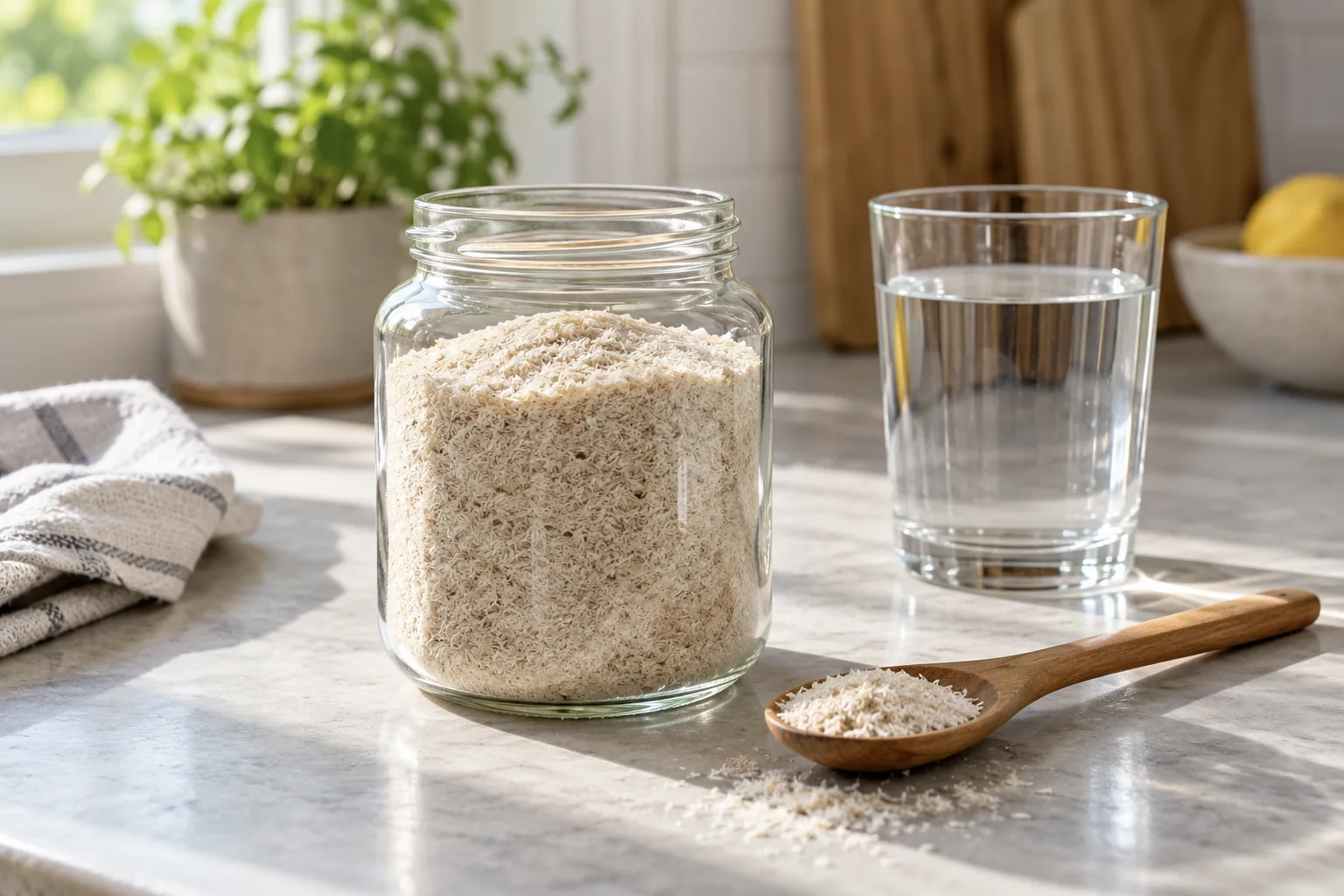
| Psyllium husk (ispaghula) | Soluble, gel-forming. Holds water in the stool, making it softer and bulkier | The default choice. It’s the fiber with the most research behind it specifically for hemorrhoid symptoms and bleeding |
| Methylcellulose | Soluble, non-fermented. Same softening effect with less gas | A good alternative if psyllium leaves you bloated |
| Wheat dextrin | Soluble, dissolves clear, mixes into anything | Easiest to take, but less gel-forming — less bulking effect than psyllium |
| Fiber gummies | Usually inulin or chicory root | The one to skip. Typically 3–5 g per serving at best, often less, and frequently the most gas-producing per gram |
Affiliate note: the links below are affiliate links. As an Amazon Associate we earn from qualifying purchases, at no extra cost to you. How we handle this.
Compare fiber supplements →
We link to Amazon search results rather than single products, because formulations, pack sizes and prices change constantly. Prices are approximate and correct only at the time of writing.
Powder, capsules or wafers?
Powder is cheapest by a wide margin and lets you control the dose. Capsules are more convenient but you need a surprising number of them to reach a useful dose — check how many capsules make up one serving before comparing prices, because that’s where the apparent bargain usually disappears. Wafers and chewables tend to come with added sugar and a smaller fiber load.
If you’ll actually take capsules and won’t take powder, capsules win. Adherence beats optimisation here.
How to start without the bloating
Almost everyone who abandons fiber does so in the first week, because they started at a full dose and felt gassy and bloated. The fix is straightforward:
- Start at about a third of the recommended dose — roughly a teaspoon of psyllium powder once a day.
- Increase every four or five days, not daily, until you reach a full dose. Give your gut time to adapt.
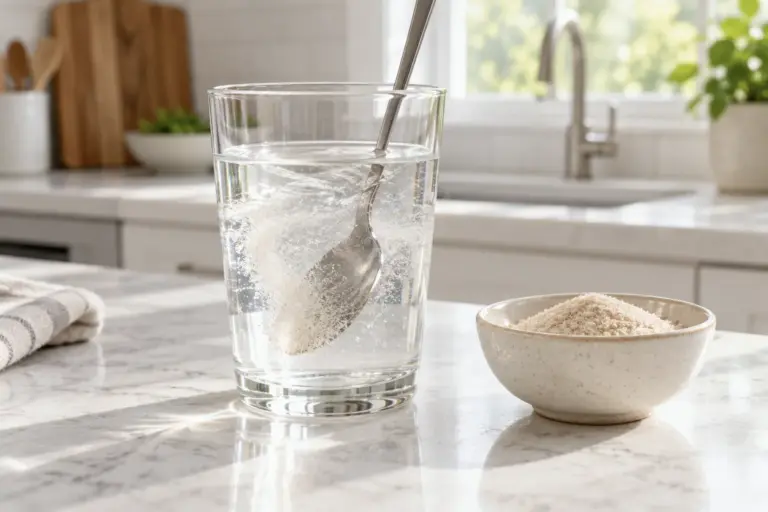
- Drink it with a full glass of water, and drink more through the day. This is not optional. Fiber without fluid makes stool harder, which is the exact opposite of what you want, and can cause a blockage.
- Take it at a consistent time, and separate it by about two hours from any medication, since fiber can interfere with absorption.
- Judge it at three to four weeks, not three days. The effect on bleeding and discomfort builds gradually.
How this fits with the rest of the prevention picture is covered in how to prevent hemorrhoids coming back.
Fiber supplement or more fiber from food?
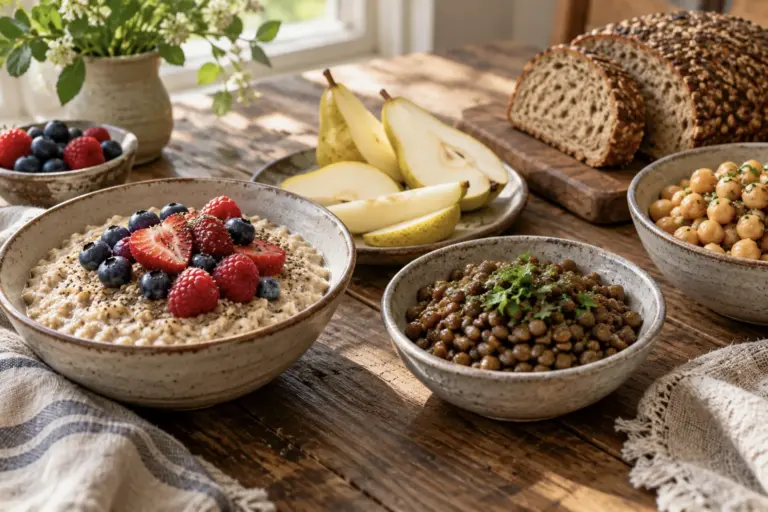
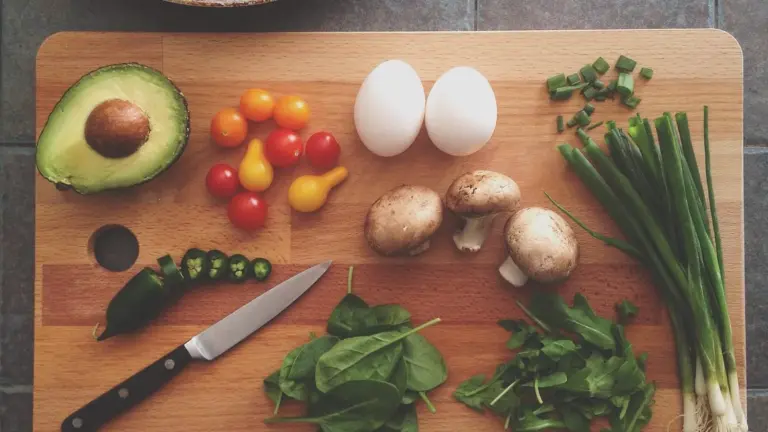
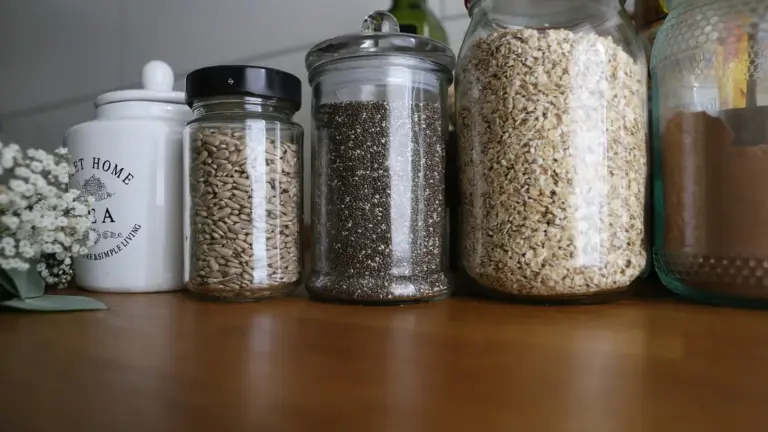
Food first is the honest answer — beans, oats, fruit with the skin on, vegetables — because you get everything else that comes with them. But most people don’t get close to the daily target from food alone, and a supplement is a cheap, reliable way to close the gap. There’s no prize for doing it the hard way, and a supplement you take beats a diet plan you don’t.
What about stool softeners?
Docusate and similar softeners are a different product doing a different job, and they’re generally for short-term use — after surgery, after childbirth, during a painful flare. They don’t build the long-term habit fiber does. If you’re using one for more than a week or two, that’s a conversation with a pharmacist or doctor rather than a repeat purchase.
Our honest opinion
Plain psyllium husk powder is the best value purchase in this entire category, and it’s usually the cheapest thing on the shelf. A large tub costs less than a couple of tubes of hemorrhoid cream and does considerably more for the underlying problem.
The realistic caveat: fiber helps grade I and II hemorrhoids and prevention. It does not retract a prolapsed hemorrhoid or resolve a thrombosed one — see hemorrhoid grades explained for where the line is. And it only works if you take it consistently for weeks, which is the part most people skip. If you want the habits around it laid out in one plan, read our honest review of the Hemorrhoids Healing Protocol first.
Is the paid program worth it if psyllium is this cheap? That’s the fair question, and we answered it directly in Hemorrhoids Healing Protocol vs fiber supplements: psyllium does most of the heavy lifting for very little money. The Protocol is a structured three-week plan for people who want the fiber, hydration and toilet habits laid out together, through ClickBank with a 60-day refund.
See the Protocol →Frequently Asked Questions
What is the best fiber supplement for hemorrhoids?
Psyllium husk. It’s the fiber with the most evidence behind it for hemorrhoid symptoms and bleeding, and plain powder is the cheapest form.
How long does fiber take to help hemorrhoids?
Stool usually softens within a few days, but the effect on bleeding and discomfort builds over three to four weeks of consistent use.
Can fiber supplements make hemorrhoids worse?
Taken without enough water, yes — fiber can make stool harder rather than softer. Starting at a full dose also causes bloating and gas, which is why building up gradually matters.
Are fiber gummies any good?
Generally not for this purpose. They tend to deliver a small dose of a fiber type that doesn’t form a gel, so you get the gas without much of the softening.
What to Read Next
- Hemorrhoid Diet: What to Eat, What to Limit, and a 7-Day Plan
- Hemorrhoid Grades 1 to 4 Explained
- How to Stop Straining on the Toilet
- How to Prevent Hemorrhoids From Coming Back
- Hemorrhoids Healing Protocol vs Fiber Supplements
Affiliate disclosure: some links on this page are affiliate links. As an Amazon Associate we earn from qualifying purchases; we may also earn from ClickBank links, at no extra cost to you. Educational content only, not medical advice. Check with a pharmacist or doctor before starting a supplement alongside regular medication. See our affiliate disclosure and medical disclaimer.
Sources and further reading
General background on hemorrhoids from public health sources:
How we reviewed this (updated 20 October 2026): this page is based on manufacturers’ and retailers’ product information and on public health guidance, not on our own use of the products. We have not hands-on tested the products listed.