Sitz Bath for Hemorrhoids: How to Do It Right
A sitz bath is about as low-tech as medical advice gets: sitting in a few inches of warm water. It’s also one of the few home remedies for hemorrhoids that doctors recommend almost universally, because it reliably eases pain, itching and muscle spasm around the anus. Doing it properly takes a little more thought than running a bath, though, and a few common mistakes can make things worse.
A sitz bath is comfort care, not a diagnosis. See a doctor if you have bleeding you haven’t had checked, a sudden hard and very painful lump, fever, or symptoms that aren’t better after a week. After surgery or childbirth, follow the specific instructions you were given.
Why it helps
Warm water increases blood flow to the area and relaxes the internal anal sphincter. When that muscle is in spasm, it squeezes swollen hemorrhoids and makes them hurt more. Relaxing it takes pressure off and eases the throbbing. The water also cleans gently without rubbing, which matters when the skin is already irritated.
Two ways to do it
| Method | Pros | Cons |
|---|---|---|
| Over-the-toilet sitz bath basin | Uses less water, easy to repeat several times a day, good if you can’t get in and out of a tub | Small; needs to fit your toilet |
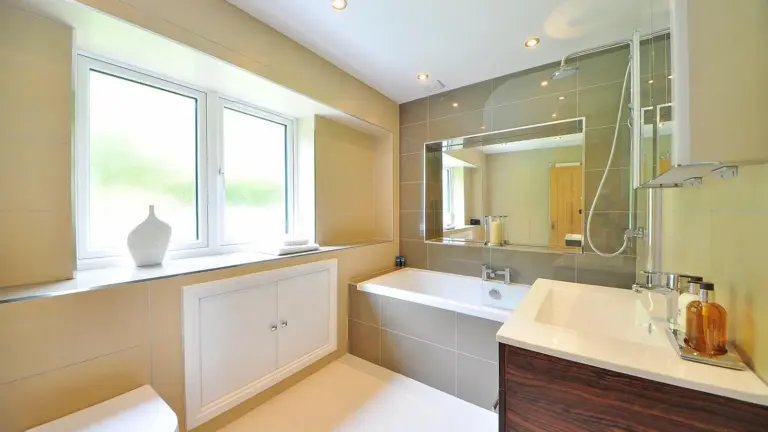
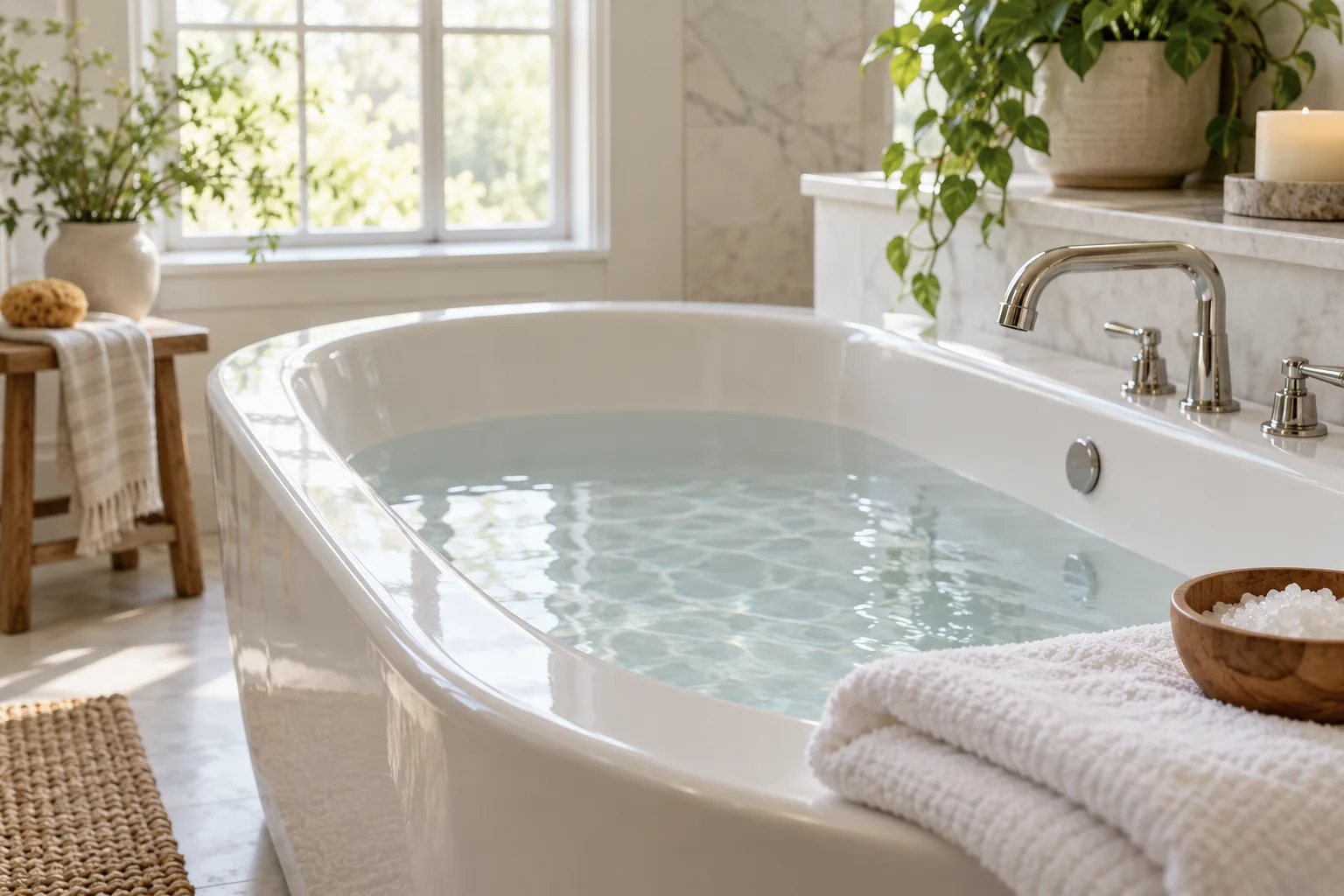
| Bathtub with 3–4 inches of water | Nothing to buy; room to relax | Harder for people with limited mobility; more cleaning |
Step by step
- Clean the basin or tub first, especially if others use it.
- Fill with warm water, comfortably warm on the inside of your wrist, never hot. Hot water can scald sensitive skin and increase swelling.
- Sit for 10 to 15 minutes. Longer isn’t better and can leave skin soggy.
- Pat dry gently with a soft towel, or use a hairdryer on the cool setting.
- Repeat two to three times a day, and after bowel movements if that’s when it hurts most.
Should you add anything to the water?
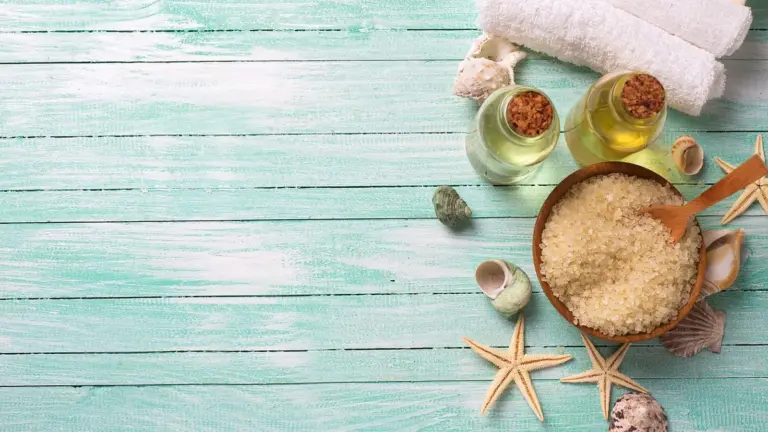
Plain water works. Some people add Epsom salt, and while it’s generally harmless, there’s little evidence it adds much. Avoid bubble bath, scented oils and soaps, which can irritate the skin. If you’re unsure about an additive, leave it out.
Common mistakes
- Water that’s too hot.
- Sitting for half an hour or more.
- Rubbing dry with a rough towel afterwards.
- Relying on sitz baths alone while ignoring the constipation or straining that caused the flare.
For everything else you can do on a bad day, see our guide to relieving hemorrhoid pain fast.
Affiliate note: the button below is an affiliate link. If you buy through it we may earn a commission at no extra cost to you. How we handle this.
Want to stop needing sitz baths? The Hemorrhoids Healing Protocol is a structured three-week plan for the fiber, hydration and toilet habits behind repeated flare-ups. It isn’t a medical treatment; read our honest review first.
Frequently Asked Questions
How many sitz baths a day for hemorrhoids?
Two to three is typical, plus one after a painful bowel movement if it helps.
Can I use cold water instead?
Some people find cool water soothing for swelling, but warm water is what relaxes the sphincter and eases pain. A cold pack is a better way to get cold relief.
Is a sitz bath safe during pregnancy?
Generally yes, with warm rather than hot water. Check with your midwife or doctor if you have any concerns.
What to Read Next
- How to Shrink Hemorrhoids: What Works and What Doesn’t
- How to Relieve Hemorrhoid Pain Fast at Home
- Why Do Hemorrhoids Itch?
- Do Hemorrhoids Go Away on Their Own?
Affiliate disclosure: some links on this page are affiliate links. If you buy through them we may earn a commission at no extra cost to you. See our affiliate disclosure and medical disclaimer.
Sources and further reading
General background on hemorrhoids from public health sources: