Epsom Salt for Hemorrhoids: Does It Help and How to Use It
Short answer: Epsom salt (magnesium sulfate) is a popular addition to a warm sitz bath, but we found no hemorrhoid-specific trials showing it adds anything beyond the warm water. The warm bath itself is what NIDDK and the NHS recommend. If you use Epsom salt, keep it to the bath, follow the package label, and stop if your skin stings.
Get urgent help first.
Bleeding that will not stop, a lot of blood or clots, black or tarry stools, dizziness or faintness, chest pain, fever with severe pain, or a lump that turns dark and very painful all need same-day care: call 911 (999 in the UK) or go to the emergency department. Any rectal bleeding that has not been examined needs an appointment. See bleeding hemorrhoids: when it’s an emergency and hemorrhoid warning signs.
Key takeaways
- Warm baths are recommended by NIDDK and the NHS for hemorrhoid pain and itching; Epsom salt is an optional extra with no trial evidence we could verify for hemorrhoids.
- Use it only in bath water, never swallowed as a hemorrhoid remedy, and not on bleeding or broken skin if it stings.
- Stop and rinse if you notice burning, rash or increased pain.
- Ask a clinician first if you are pregnant, have kidney, heart or skin problems, or any open wound.
- A plain warm bath for 10 to 15 minutes is a fair default; bleeding still needs a medical check.
On this page
What Epsom salt is and why people use it
Epsom salt is magnesium sulfate, a mineral compound sold as crystals for baths. It has a long popular reputation for soothing sore muscles and skin, and it is often suggested for hemorrhoids on the assumption that it will "draw out" swelling or reduce inflammation. Those are popular explanations rather than findings we could verify for hemorrhoids.
What the evidence says
The two health-service sources we rely on agree on warm water, and say nothing about salts. The NIDDK suggests sitting in a tub of warm water several times a day to ease pain. The NHS suggests taking a warm bath to ease itching and pain and gently patting the area dry. Neither mentions Epsom salt or any other bath additive. We searched for hemorrhoid-specific trials of Epsom salt and did not find any we could verify. That does not prove it does nothing; it means the claim that it reduces swelling or speeds healing is not supported by evidence we can show you.
What is more likely, if you feel better after a salt bath, is that the warm water relaxed the muscles around the anus, eased spasm and kept the area clean. Those benefits are real, and you get them with or without salt. For the basic technique see our sitz bath guide.
How people use it in a sitz bath
This is a description of common practice, not a prescription, and we give no amounts: use the directions printed on the package of the product you buy.
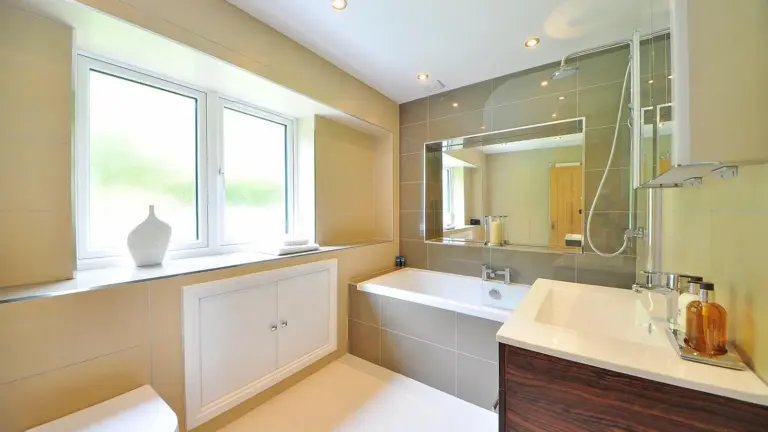
- Start with a clean, comfortable bath or a sitz basin. A shallow bath or a basin that fits over the toilet is enough; see what to look for in a sitz bath. Water should be comfortably warm, not hot.
- Dissolve the salt fully before you sit, so no crystals sit against irritated skin.
- Soak for about 10 to 15 minutes, the usual sitz bath length, with knees raised if you can.
- Rinse if the skin feels tight or stings, then pat dry gently with a clean towel rather than rubbing.
- Stop using it if you notice burning, a rash, more pain or more itching.
You do not need to repeat salt baths every time. If you find plain warm water works, there is nothing to be gained by adding salt. Do not drink the bath water or swallow Epsom salt as a hemorrhoid remedy: it is also sold as an oral laxative, which is a separate use with its own risks, and we do not cover it here.
Who should be careful
- Anyone with rectal bleeding that has not been examined. Get it checked first; see bleeding hemorrhoids.
- Broken, cracked or very inflamed skin. Salt can sting. Anal fissures (see hemorrhoids vs fissures) are tears in the lining and often hurt with additives.
- People with kidney, heart or skin conditions, or on medicines that affect minerals or fluid balance should ask a clinician before adding minerals to a bath.
- Pregnancy and breastfeeding. Ask your midwife or doctor. Plain warm baths are a common suggestion; see hemorrhoids during pregnancy.
- Anyone with sensitive skin or known allergies, including to fragrances in scented bath salts. Choose an unscented product.
What the program we read says
We read the member copy of the Hemorrhoids Healing Protocol that the publisher provided. It suggests dissolving Epsom salt in the bath or sitz bath as part of its routine, with claims that it promotes healing and reduces inflammation. We could not find trial evidence for those specific claims. That does not make a salt bath dangerous for most healthy adults, but it is an example of a popular suggestion that sits on tradition rather than on data. Our full review covers what the program contains and where it goes beyond the evidence.
Plain alternatives
If your goal is relief, the supported measures are simple:
- Warm plain-water soaks after bowel movements (NIDDK, NHS).
- A cold pack wrapped in a towel for short spells (NHS).
- Soft stools through fiber and fluid, which address the cause: hemorrhoid diet.
- A short course of an over-the-counter cream if a pharmacist agrees: how to use hemorrhoid cream correctly.
Affiliate note: the button below is an affiliate link. If you buy through it we may earn a commission at no extra cost to you. The publisher, Blue Heron Health News, gave us a free member copy of the program so we could read it; that did not buy a positive review. The publisher’s own sales page makes stronger claims than we can support, and we do not endorse them. How we handle this.
If you are weighing a paid routine: the Hemorrhoids Healing Protocol is a $49 PDF that includes Epsom salt baths among its suggestions, along with herbs and oils we advise caution about. It does not replace a check for bleeding. Read our review before deciding.
Questions to ask your doctor or pharmacist
- Is a salt bath appropriate with my skin, kidney, heart or other conditions?
- How often is it reasonable for me to soak?
- Could my symptoms be a fissure or something else that needs different care?
- Is there anything in my medicines list that affects what I should add to a bath?
Frequently asked questions
Does Epsom salt shrink hemorrhoids?
We found no hemorrhoid-specific trials showing that Epsom salt shrinks them. Warm water, soft stools and avoiding straining are the supported measures.
How do you use Epsom salt for hemorrhoids?
People dissolve it in a warm bath or sitz bath and soak for about 10 to 15 minutes, following the package directions. Stop if it stings, and pat dry afterwards.
Is Epsom salt safe for hemorrhoids?
For most healthy adults a salt bath is low risk, but it can sting broken skin. Ask a clinician if you are pregnant or have kidney, heart or skin conditions.
Can I drink Epsom salt for hemorrhoids?
No. Swallowing Epsom salt is a separate use as a laxative with its own risks and is not a hemorrhoid treatment. Talk to a pharmacist or doctor about constipation instead.
Is a plain warm bath as good as an Epsom salt bath?
The health services we cite recommend warm water without additives. We found no evidence that Epsom salt adds benefit.
Can Epsom salt baths stop hemorrhoid bleeding?
No evidence supports that. Bleeding that has not been examined needs a medical check, and heavy bleeding is an emergency.
Related reading
- Home Remedies for Hemorrhoids: What the Evidence Supports
- Sitz Bath for Hemorrhoids: How to Do It Right
- Best Sitz Bath for Hemorrhoids: What to Buy
- How to Relieve Hemorrhoid Pain Fast at Home
- Bleeding Hemorrhoids: What’s Normal and When It’s an Emergency
Medical disclaimer and last review. This page is general education, not medical advice, and it does not replace an examination by a clinician. It was written by the Comfort Below editorial team and has not been reviewed by a medical professional. Last reviewed on 20 October 2026 against the sources listed below. See our medical disclaimer.
Sources and further reading
Affiliate disclosure: some links on this page are affiliate links. If you buy through them we may earn a commission at no extra cost to you. See our affiliate disclosure and medical disclaimer.