How to Prevent Hemorrhoids From Coming Back
Once a hemorrhoid flare has settled, the obvious next question is how to stop the next one. Hemorrhoids tend to come back when the conditions that caused them stay the same: hard stools, straining, long hours sitting and too little movement. Change those, and many people go from a flare every few months to one every few years, or none at all.
Prevention is not a substitute for a diagnosis. If you have rectal bleeding that hasn’t been checked, a change in bowel habits, or symptoms that keep returning despite good habits, see a doctor. Recurring grade 3 or 4 hemorrhoids often need a procedure.
The habits that matter most
| Habit | Why it helps | A realistic target |
|---|---|---|
| Enough fiber | Softer, bulkier stool that passes without pushing | 25–35 g a day, built up over two weeks |
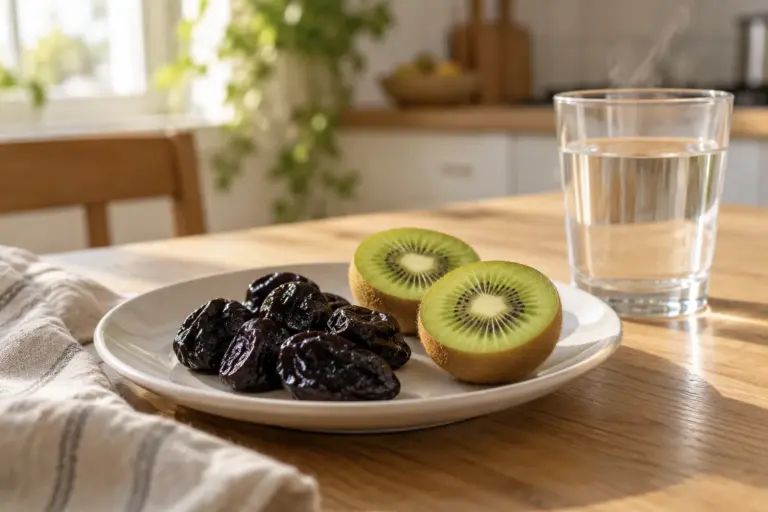
| Enough fluid | Fiber needs water to work | Pale yellow urine through the day |
| No straining | Less pressure on the anal veins | Knees raised, breathe out, get up after a few minutes |
| Less sitting | Prolonged sitting pools blood in the area | Stand or walk for a few minutes every hour |
| Regular movement | Keeps the bowel moving | 30 minutes of walking most days |
| Careful lifting | Heavy lifting with a held breath raises pressure | Breathe out as you lift; get help with heavy loads |
Fiber, done properly
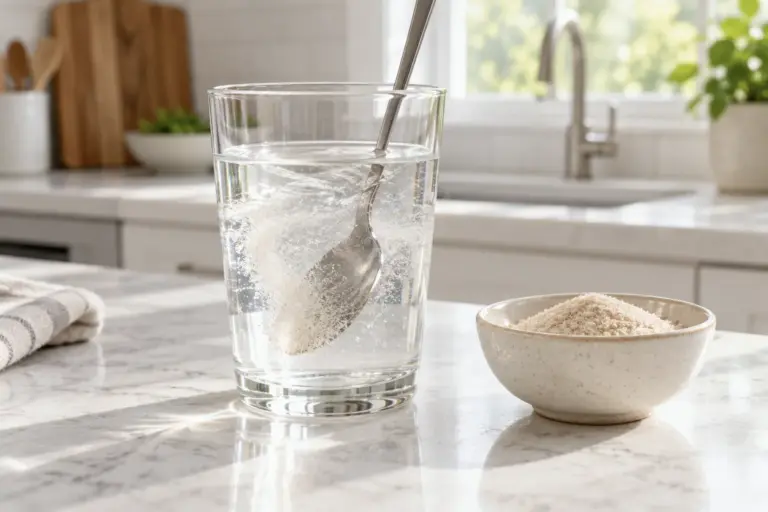
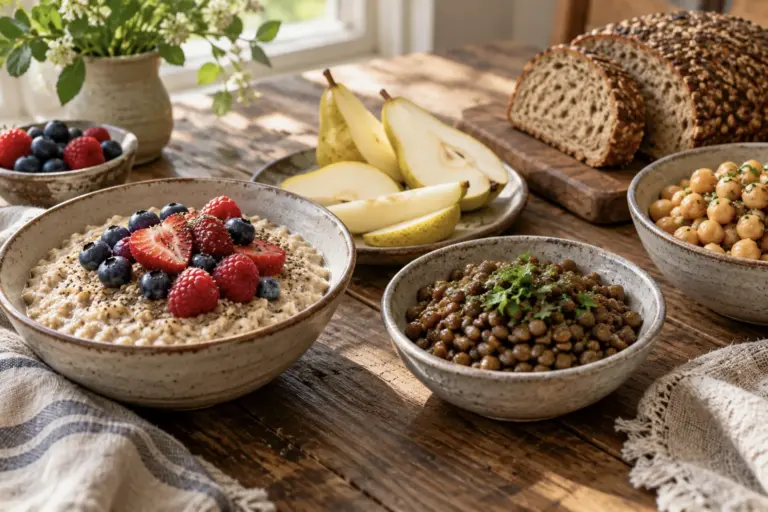
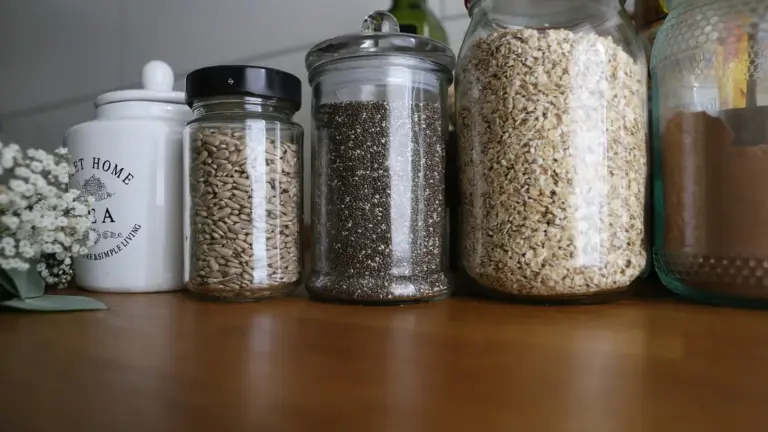
Fruit, vegetables, beans, lentils, oats and whole grains are the easiest sources. If your diet can’t get there, a psyllium supplement is a reasonable, cheap addition. Add fiber slowly, because a sudden jump causes gas and bloating, and many people give up for that reason. See our comparison of a structured plan vs fiber supplements.
Toilet habits
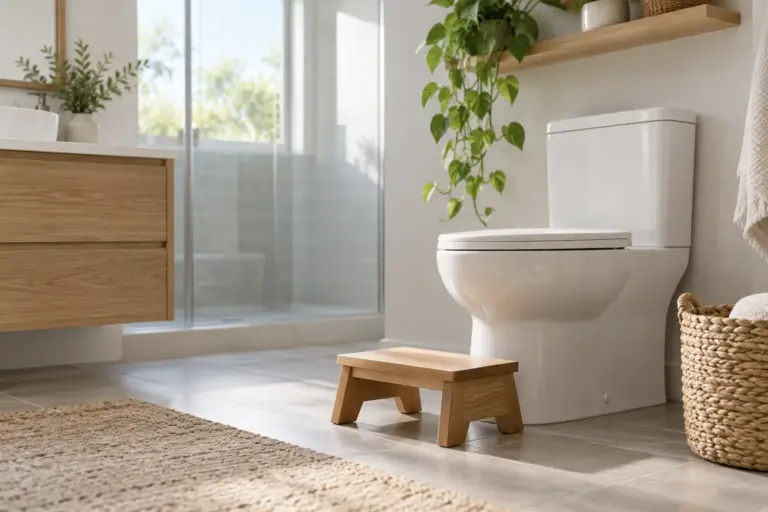
We cover this step by step in how to stop straining on the toilet. In short: go when you feel the urge, use a footstool, breathe out rather than bearing down, and don’t read or scroll on the toilet.
Work and daily life
- If you sit all day, set a reminder to stand every hour. A cushion takes pressure off, but moving matters more.
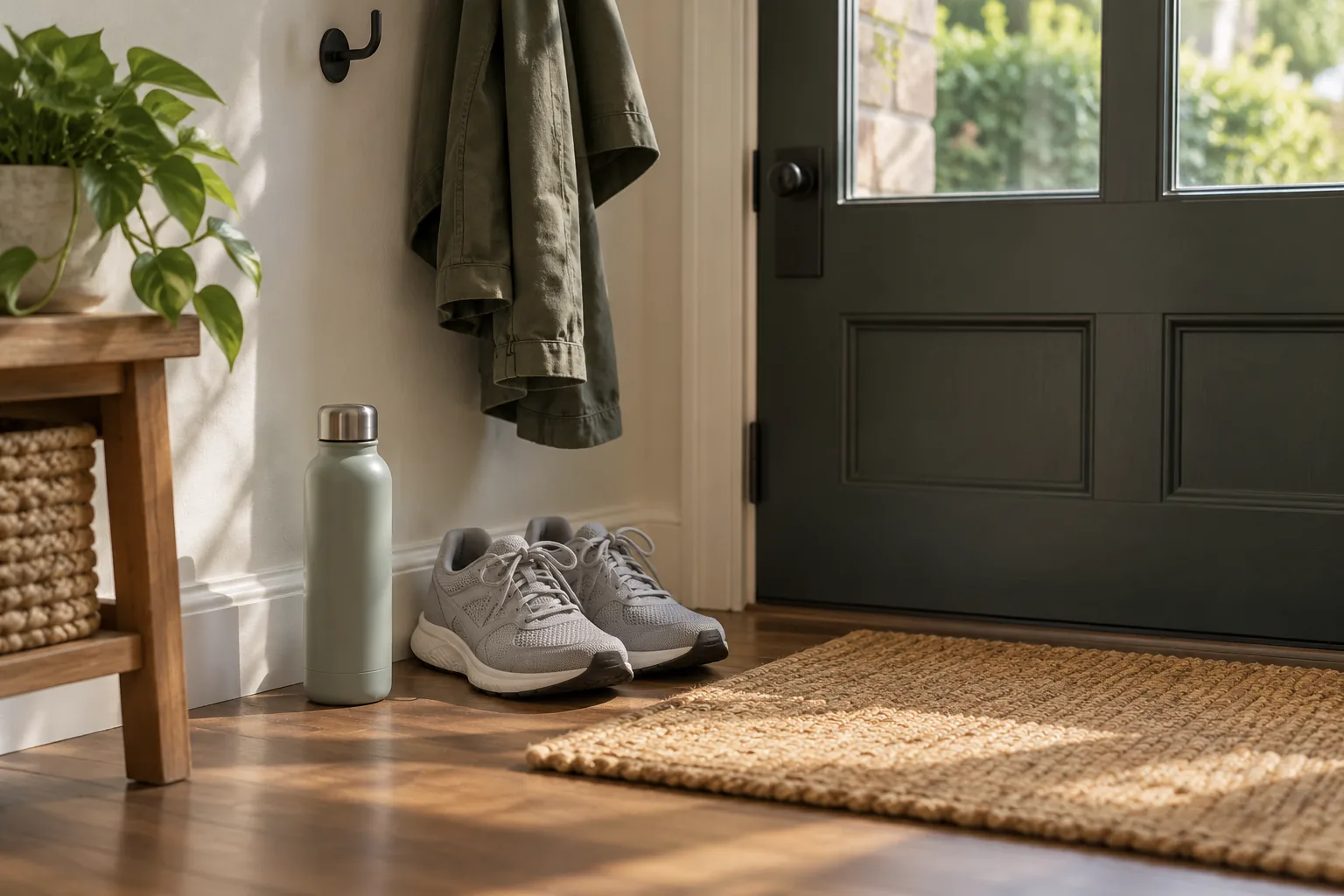
- Keep a water bottle within reach.
- Be cautious with foods that constipate you personally; for some that’s a lot of cheese or processed food.
- Talk to your doctor if a regular medicine, such as some painkillers or iron tablets, keeps you constipated.
When prevention isn’t enough
If hemorrhoids prolapse regularly or bleed despite good habits, a procedure such as rubber band ligation may be the better answer. We explain how that compares in the protocol vs banding.
Affiliate note: the button below is an affiliate link. If you buy through it we may earn a commission at no extra cost to you. How we handle this.
Prefer a plan to piecing it together? The Hemorrhoids Healing Protocol bundles these habits into a three-week programme with a refund period. It’s a lifestyle plan, not a cure; our review tells you who it suits.
Frequently Asked Questions
Can hemorrhoids be prevented completely?
Not always, since age, pregnancy and genetics play a part. Good habits cut the risk and frequency considerably.
Does exercise help prevent hemorrhoids?
Regular moderate exercise helps keep bowels regular. Very heavy lifting with breath-holding can do the opposite.
How long before new habits make a difference?
Stools usually soften within a week or two of more fiber and fluid. Fewer flare-ups show over the following months.
What to Read Next
- Hemorrhoid Diet: What to Eat, What to Limit, and a 7-Day Plan
- How to Stop Straining on the Toilet
- What Causes Hemorrhoid Flare-Ups?
- Hemorrhoids Healing Protocol Review
Affiliate disclosure: some links on this page are affiliate links. If you buy through them we may earn a commission at no extra cost to you. See our affiliate disclosure and medical disclaimer.
Sources and further reading
General background on hemorrhoids from public health sources: