Herbal Supplements for Hemorrhoids: Horse Chestnut, Butcher’s Broom, Diosmin
Short answer: a few plant-based products, mainly flavonoid supplements (diosmin is one commonly sold) and horse chestnut seed extract, have some research behind them for vein-related problems, and a Cochrane review found benefit for hemorrhoid bleeding and itching with weak trial quality. Others, such as ginkgo, have no good evidence and can raise bleeding risk. None should be started without checking with a pharmacist or clinician, especially if you take a blood thinner, are pregnant or have bleeding.
Get urgent help first.
Bleeding that will not stop, a lot of blood or clots, black or tarry stools, dizziness or faintness, chest pain, fever with severe pain, or a lump that turns dark and very painful all need same-day care: call 911 (999 in the UK) or go to the emergency department. Any rectal bleeding that has not been examined needs an appointment. See bleeding hemorrhoids: when it’s an emergency and hemorrhoid warning signs.
Blood thinners and herbs.
If you take warfarin or another anticoagulant, or aspirin or other antiplatelet medicines, do not add any herbal product for hemorrhoids without asking your prescriber or pharmacist. The NCCIH says ginkgo may increase the risk of bleeding in people taking anticoagulants such as warfarin. Never stop or change a prescribed medicine on your own.
Key takeaways
- Evidence for plant-based hemorrhoid products is limited; the best-studied group are flavonoids (a Cochrane review, with methodological limitations) and horse chestnut seed extract for vein problems.
- Raw horse chestnut seeds, bark, flowers and leaves are unsafe by mouth; only standardized seed extracts are considered likely safe short-term (NCCIH).
- Ginkgo may raise bleeding risk with anticoagulants and has no conclusive evidence for any condition (NCCIH).
- Little is known about safety in pregnancy and breastfeeding for most of these products.
- We give no doses: follow the label and your pharmacist or clinician. Bleeding must be examined first.
On this page
How to read the evidence
The NIDDK and NHS treatment pages we use as our baseline do not recommend herbal supplements for hemorrhoids. That does not mean they never help; it means they are not part of standard first-line advice. When a supplement shows benefit in a study, ask three questions: what was the exact product and was it standardized, what was measured (bleeding, itching, pain?), and how good was the trial? Supplements also vary between brands, so results from one product do not automatically apply to another.
Flavonoids and diosmin
Flavonoids are plant compounds. Products sold for vein health often contain diosmin, sometimes with hesperidin. A Cochrane systematic review of phlebotonics (a class that includes plant flavonoids and synthetic compounds) considered 24 studies, 20 of them randomised controlled trials with about 2,300 participants. It found statistically significant benefit compared with control for hemorrhoid bleeding, itching, discharge and overall symptom improvement, but not for pain, and reported few safety concerns in the included trials. The authors also noted that the studies had methodological limitations and that more robust trials are needed. The Cochrane summary we read does not name diosmin specifically, so we cannot say how any particular product performs.
In practice, flavonoid products are discussed with a clinician, are sometimes prescribed in some countries after hemorrhoid procedures, and may not be sold in the same form everywhere. Ask whether a product is appropriate for you rather than choosing by marketing. Report side effects, and tell the clinician about all medicines and supplements you take.
Horse chestnut seed extract
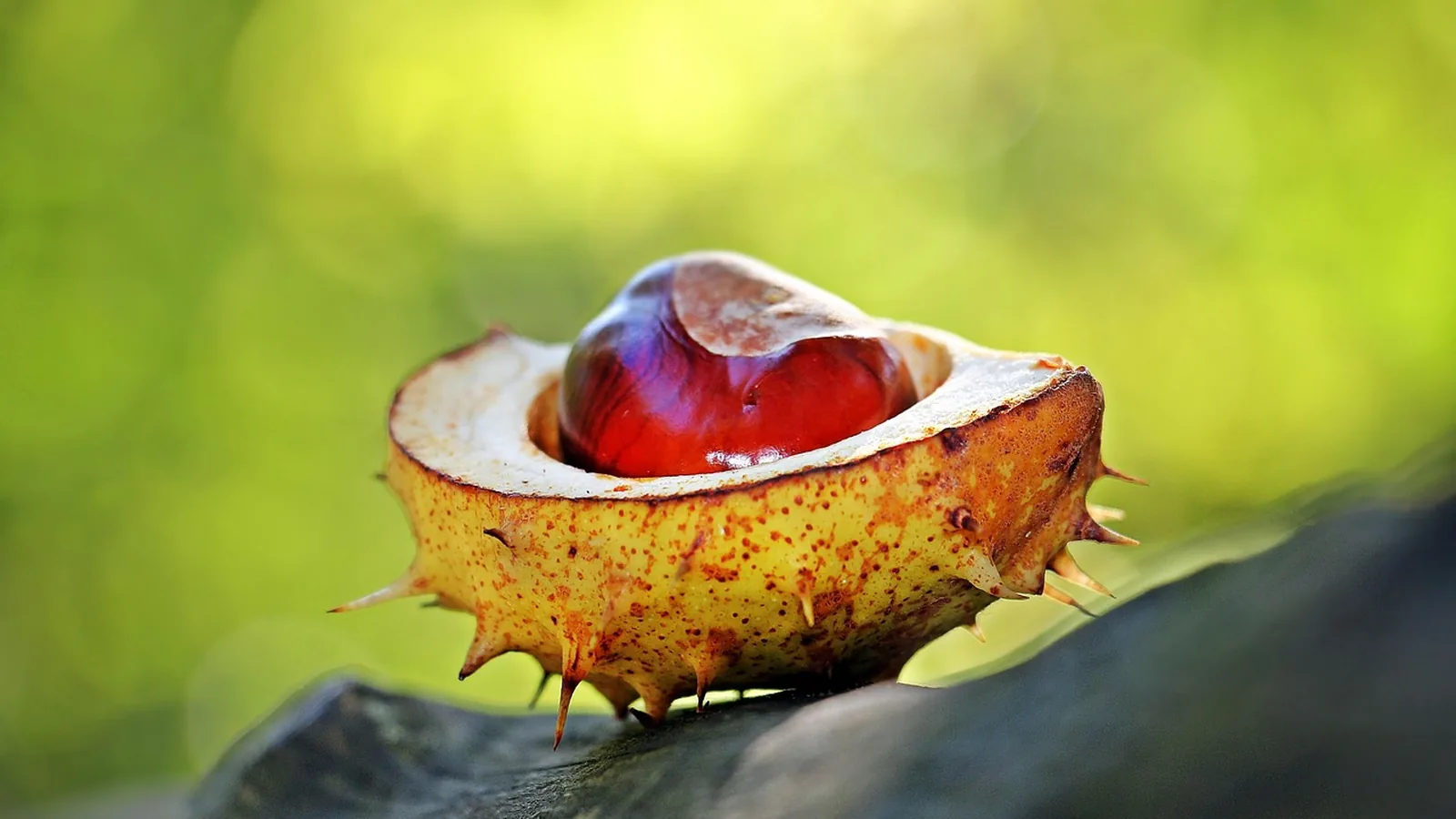
The NCCIH notes that horse chestnut has been used traditionally for hemorrhoids among other things, that a 2012 systematic review of 17 studies suggested seed extract can improve symptoms of chronic venous insufficiency (a vein condition in the legs), and that the reviewers asked for larger trials. The NCCIH does not list hemorrhoids as a condition with evidence. Safety points it gives: raw seeds, bark, flowers and leaves are unsafe to take by mouth because they contain a toxic component; standardized seed extracts with that component removed are likely safe for short-term use; side effects can include dizziness, digestive upset, headache and itching; little is known about safety in pregnancy and breastfeeding. Because dizziness is both a side effect and a sign of blood loss, anyone with bleeding should not treat dizziness as a side effect: see bleeding hemorrhoids.
Butcher’s broom
Butcher’s broom is another plant used traditionally for vein problems, often in combination products. We did not find a source we could verify on its evidence for hemorrhoids and do not make claims about it. If you see it on a label, treat it as lacking verified evidence for this use and ask a pharmacist about interactions and about pregnancy.
Ginkgo and bleeding
Some home-remedy guides recommend ginkgo for hemorrhoids on the idea that it improves circulation. The NCCIH says there is no conclusive evidence that ginkgo helps any health condition, that it may increase the risk of bleeding in people taking anticoagulant drugs such as warfarin, that it may interact with other medicines, and that it may be unsafe in pregnancy, with use near delivery possibly causing extra bleeding. Fresh ginkgo seeds are toxic if eaten. When the symptom you are trying to manage is bleeding, adding something that might make bleeding worse is a poor trade. We advise against ginkgo for hemorrhoids unless a clinician specifically agrees.
"Hemorrhoid teas" and herb blends
Blends sold or described as hemorrhoid teas combine herbs and may be drunk daily. Because a tea can contain several active plants, an interaction or side effect is harder to trace, and strength depends on how it is brewed. We found no verified trials of such blends for hemorrhoids. If you are curious, check each ingredient against the NCCIH or a pharmacist, avoid any with laxative herbs (frequent loose stools worsen irritation), and skip them if pregnant, breastfeeding, on blood thinners or with a liver, kidney or heart condition unless a clinician agrees. Plain fluids and fiber are the better supported approach to soft stool; see the hemorrhoid diet.
Comparison table
| Product | What the sources say | Key cautions |
|---|---|---|
| Flavonoids (diosmin and similar) | Cochrane review of phlebotonics: benefit for bleeding, itching, overall symptoms; not for pain; weak methods | Ask a clinician; tell them all your medicines; pregnancy data limited |
| Horse chestnut seed extract | NCCIH: may help chronic venous insufficiency; hemorrhoid evidence not listed | Only standardized seed extract is considered likely safe short-term; raw parts unsafe; dizziness, GI upset, itching; little pregnancy data |
| Butcher’s broom | We could not verify evidence | Ask a pharmacist |
| Ginkgo | NCCIH: no conclusive evidence for any condition | May raise bleeding risk with anticoagulants; may be unsafe in pregnancy |
| Herb blends / teas | No verified hemorrhoid trials | Hard to trace ingredients; avoid laxative herbs; ask first |
Ask your pharmacist
A pharmacist can check a supplement against your prescription list, tell you whether a product has standardized contents and whether it has independent quality testing, and warn about interactions. Take the label with you. Say clearly if you are pregnant, breastfeeding, have bleeding, kidney or liver disease, or have an operation planned. Many herbs are advised to be stopped before surgery because of bleeding risk, so tell the surgical team about anything you take.
Supplements should never replace the basics: soft stools, avoiding straining, warm baths and, where suitable, short OTC courses (home remedies overview). If you see black or tarry stools, heavy bleeding or dizziness, stop reading and seek urgent care.
What the program we read says
We read the member copy of the Hemorrhoids Healing Protocol provided by the publisher. Its herbal section covers about ten herbs, including horse chestnut, butcher’s broom and ginkgo, quotes doses from studies, and presents ginkgo as helpful for bleeding without the anticoagulant warning the NCCIH gives. It also describes a daily herbal tea. We think this is the weakest part of the program. Our review explains where we disagree.
Questions to ask your doctor or pharmacist
- Is any herbal or flavonoid product appropriate for me, given my medicines and health conditions?
- Could a supplement increase my bleeding risk or interact with my blood thinner or surgery plans?
- Is this product standardized and independently tested?
- Should I wait for an exam before taking anything for bleeding?
- If I am pregnant or breastfeeding, which of these should I avoid entirely?
Frequently asked questions
Do herbal supplements work for hemorrhoids?
Some, such as flavonoid products, have limited trial support for hemorrhoid symptoms in a Cochrane review with methodological limitations. Others have little or no evidence. Ask a clinician or pharmacist.
Is horse chestnut safe for hemorrhoids?
The NCCIH says standardized horse chestnut seed extract is likely safe for short-term use, and that raw seeds, bark, flowers and leaves are unsafe by mouth. It does not list hemorrhoids as a condition with evidence.
Can I take ginkgo for hemorrhoids if I use a blood thinner?
No, not without medical advice. The NCCIH says ginkgo may increase bleeding risk in people taking anticoagulants such as warfarin.
Is diosmin good for hemorrhoids?
Flavonoid products have some trial support in a Cochrane review for bleeding and itching, with weak methods. The review summary does not name diosmin. Ask a clinician whether it suits you.
Are herbal supplements safe in pregnancy?
For most of these products little is known, and the NCCIH says ginkgo may be unsafe in pregnancy. Ask your midwife or doctor.
Should I try herbs before seeing a doctor for rectal bleeding?
No. Bleeding should be examined first, and emergency signs need urgent care.
Related reading
- Home Remedies for Hemorrhoids: What the Evidence Supports
- Tea Tree Oil and Essential Oils for Hemorrhoids: Safety First
- Bleeding Hemorrhoids: What’s Normal and When It’s an Emergency
- Hemorrhoids During Pregnancy: What’s Safe
- Hemorrhoid Warning Signs: When to See a Doctor
Medical disclaimer and last review. This page is general education, not medical advice, and it does not replace an examination by a clinician. It was written by the Comfort Below editorial team and has not been reviewed by a medical professional. Last reviewed on 20 October 2026 against the sources listed below. See our medical disclaimer.