Tea Tree Oil and Essential Oils for Hemorrhoids: Safety First
Short answer: we found no reliable evidence that tea tree oil or other essential oils treat hemorrhoids, and the skin around the anus is thin and easily irritated. Tea tree oil must never be swallowed, and we advise against putting essential oils on or near the anus, in any dilution. If you want something soothing, a plain warm bath and the basics are safer and better supported.
Get urgent help first.
Bleeding that will not stop, a lot of blood or clots, black or tarry stools, dizziness or faintness, chest pain, fever with severe pain, or a lump that turns dark and very painful all need same-day care: call 911 (999 in the UK) or go to the emergency department. Any rectal bleeding that has not been examined needs an appointment. See bleeding hemorrhoids: when it’s an emergency and hemorrhoid warning signs.
Never swallow essential oils.
The NCCIH states that tea tree oil should not be swallowed and that oral use has caused serious symptoms, including confusion, unsteadiness, inability to walk and coma. Keep essential oils away from children and pets. If someone has swallowed essential oil, call your local poison control service or emergency number immediately (in the US, Poison Help: 1-800-222-1222).
Key takeaways
- No hemorrhoid-specific evidence for tea tree oil or other essential oils was found by NIDDK, the NHS or the NCCIH pages we read.
- Essential oils are concentrated; skin redness, irritation and allergic reactions are possible, and anal skin is sensitive.
- We do not advise using them on or near the anus, on bleeding or broken skin, or in or near the rectum, and we give no dilution recipe.
- Never swallow them. Ask a clinician before any use in pregnancy, breastfeeding or in children.
- Safer, better supported options: soft stools, warm baths, cold packs, short OTC courses.
On this page
Why essential oils come up
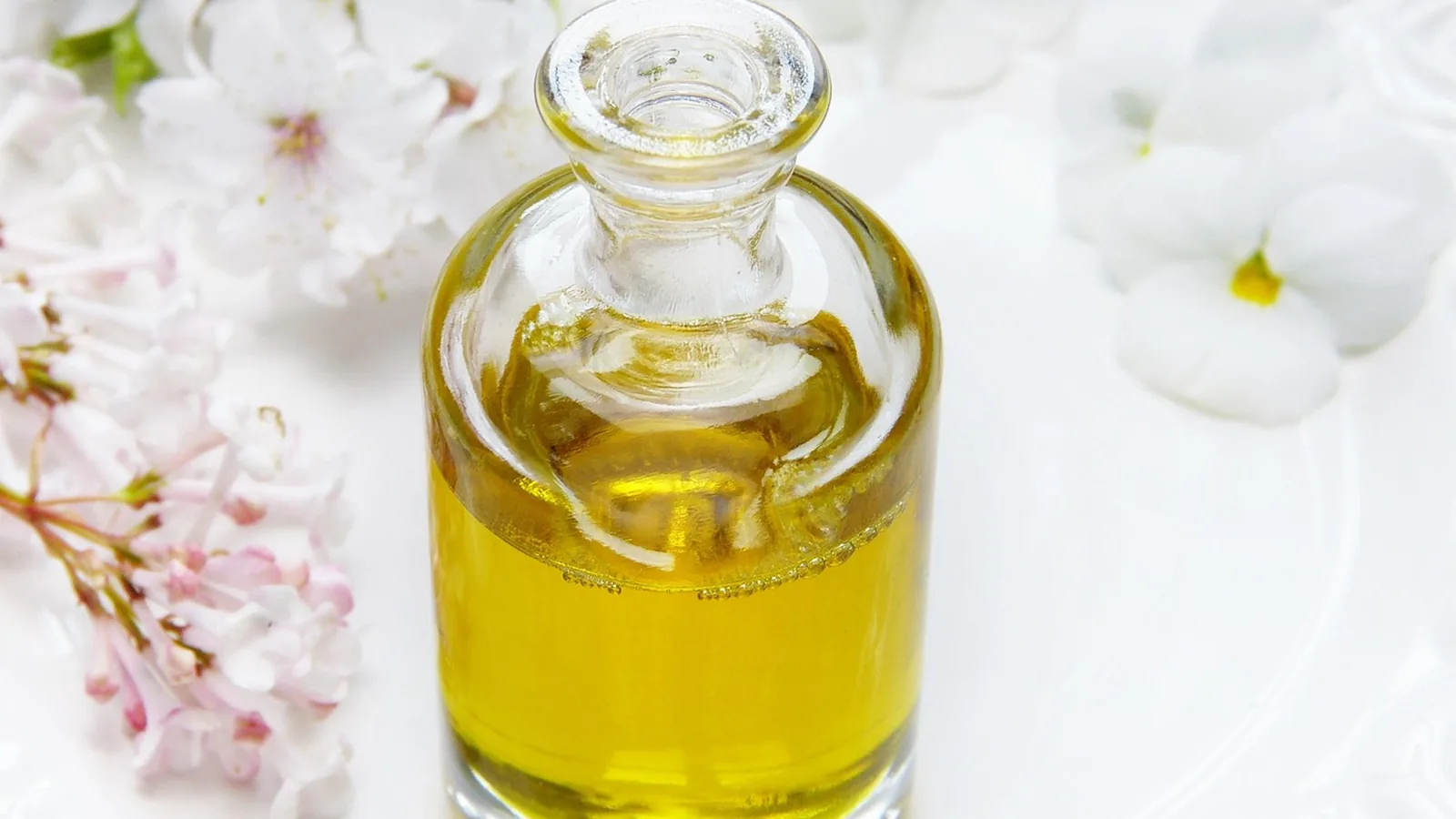
Essential oils are concentrated aromatic extracts from plants. Home-remedy guides often recommend tea tree, frankincense, cypress, lavender and many others for hemorrhoids, typically mixed into a carrier oil. The ideas are usually that oils calm inflammation, fight germs or tighten veins. These are claims made about oils in general; we could not find trials that test them on hemorrhoids and show the effects.
What the evidence says
The NIDDK treatment page and the NHS treatment page do not mention essential oils for hemorrhoids. The NCCIH page on tea tree oil lists small amounts of research for conditions such as acne and athlete’s foot, says the evidence is too limited or uncertain for others, and states there is not enough evidence to determine whether topical use is useful for other conditions. Hemorrhoids are not among the conditions it describes. In other words: antibacterial or soothing effects in a lab or on other skin problems do not tell us that the oil helps hemorrhoids.
The risks
- Skin irritation. The NCCIH says some people develop redness or irritation with tea tree oil, and that risk may be higher with oil that is old or has been exposed to heat, light or air. Anal skin is thin and often already inflamed.
- Allergic reactions. Essential oils are a recognized cause of contact allergy. A reaction near the anus can look like worsening hemorrhoids and delay the right diagnosis.
- Swallowing is dangerous. See the box above.
- Broken skin and bleeding. Oils on a fissure or bleeding tissue can sting badly and make bleeding harder to assess. See bleeding hemorrhoids.
- Inside the rectum. We found no safety evidence for oils placed inside the rectum. Do not do it.
- Pregnancy. The NCCIH says topical tea tree oil products may be safe in pregnancy and breastfeeding; that is not a statement about use near the anus or about other oils. We advise asking your midwife or doctor before using any essential oil while pregnant or breastfeeding. See hemorrhoids during pregnancy.
A word on dilution
Guides that recommend essential oils almost always say to dilute them in a carrier oil, and some give strengths. We do not give a recipe: the NCCIH page gives no dilution guidance for tea tree oil, strengths quoted in guides vary a lot (even inside the same guide, mixtures can differ widely from the stated rule), and we have no evidence that any strength is safe or effective for hemorrhoids. If you decide to use an essential oil anyway, do it only after talking to a clinician or pharmacist, never undiluted, never on broken or bleeding skin, and stop at the first sign of burning or rash. A patch test on the forearm for a day is the minimum precaution for any new skin product.
Who should be especially careful
- Anyone with rectal bleeding, a fissure, an open sore or very inflamed skin.
- People with sensitive skin, eczema or a history of contact allergy.
- Pregnant or breastfeeding women, babies and children.
- People with asthma or sensitivity to strong smells.
- Pet owners: some essential oils are toxic to cats and dogs.
If your skin reacts
Signs of a reaction include burning, stinging that does not fade, new redness, swelling, blisters, weeping skin or a rash that spreads beyond the area you treated. If this happens, stop using the product, rinse the area with plenty of lukewarm water, pat it dry and avoid adding anything else to the skin. Mild reactions often settle within a day or two once the trigger is gone, but contact a clinician or pharmacist if it does not, if the skin is broken, or if you have swelling of the face or lips, wheezing or trouble breathing, which are emergencies (call 911 or your local emergency number). Tell the clinician exactly what you applied and when, because a reaction can look like a worse flare of hemorrhoids and lead to the wrong treatment if the cause is not known.
What the program we read says
We read the member copy of the Hemorrhoids Healing Protocol provided by the publisher. It has a long section on essential oils, lists many of them for hemorrhoids, mixes them into home-made creams and gels, and includes a daily routine step that applies diluted tea tree oil after bowel movements. It also says some oils are suitable in pregnancy. We could not verify evidence for these uses, and daily oil on sensitive skin is where irritation is most likely. We also noticed the dilution guidance is not consistent between its general rule and some of its mixtures. These are points a clinician should check before anyone follows them. Our program review covers where we disagree.
What to do instead
- Warm baths and gentle drying: sitz bath guide.
- Soft stool through fiber and fluids: hemorrhoid diet.
- A short course of an over-the-counter product chosen with a pharmacist: how to use hemorrhoid cream correctly.
- Overview of other home options: home remedies for hemorrhoids and, for bland skin products, coconut oil and aloe vera.
Questions to ask your doctor or pharmacist
- Is there any essential oil or herbal product I should avoid with my skin, pregnancy status or medicines?
- Could the burning or itching be an allergic reaction or a fissure rather than hemorrhoids?
- What is a safer way to ease soreness while I wait for an exam?
- If I used an oil and my skin reacted, what should I do?
Frequently asked questions
Does tea tree oil help hemorrhoids?
We found no reliable evidence that it does. The NCCIH does not list hemorrhoids among the conditions with research on tea tree oil.
Is tea tree oil safe on hemorrhoids?
We advise against using it on or near the anus. It can irritate or cause allergy, and the skin there is delicate. Never swallow it.
Can I use essential oils for hemorrhoids in pregnancy?
Ask your midwife or doctor first. We do not recommend essential oils near the anus during pregnancy or breastfeeding.
What happens if tea tree oil is swallowed?
The NCCIH says oral use can cause serious symptoms including confusion, unsteadiness and coma. Call poison control or emergency services immediately.
How do you dilute tea tree oil for hemorrhoids?
We do not give a recipe because we have no evidence of a safe, effective strength for this use. Talk to a clinician or pharmacist.
Are there any essential oils that are safe for hemorrhoids?
We are not aware of verified evidence that any essential oil is safe and effective for hemorrhoids, so we do not recommend any.
Related reading
- Home Remedies for Hemorrhoids: What the Evidence Supports
- Herbal Supplements for Hemorrhoids: Horse Chestnut, Butcher’s Broom, Diosmin
- Coconut Oil for Hemorrhoids: What It Can and Can’t Do
- Aloe Vera for Hemorrhoids: Gel vs Latex
- Bleeding Hemorrhoids: What’s Normal and When It’s an Emergency
- Hemorrhoids During Pregnancy: What’s Safe
Medical disclaimer and last review. This page is general education, not medical advice, and it does not replace an examination by a clinician. It was written by the Comfort Below editorial team and has not been reviewed by a medical professional. Last reviewed on 20 October 2026 against the sources listed below. See our medical disclaimer.