Aloe Vera for Hemorrhoids: Gel vs Latex
Short answer: pure aloe vera gel applied to the skin outside the anus is generally well tolerated and may feel soothing, but we found no hemorrhoid-specific trials. Aloe latex taken by mouth is a different product: it is a stimulant laxative that can cause cramps and diarrhea, and the FDA removed it from over-the-counter laxatives in 2002 over safety data. Do not swallow aloe for hemorrhoids.
Get urgent help first.
Bleeding that will not stop, a lot of blood or clots, black or tarry stools, dizziness or faintness, chest pain, fever with severe pain, or a lump that turns dark and very painful all need same-day care: call 911 (999 in the UK) or go to the emergency department. Any rectal bleeding that has not been examined needs an appointment. See bleeding hemorrhoids: when it’s an emergency and hemorrhoid warning signs.
Key takeaways
- Topical aloe gel is generally well tolerated (NCCIH), with occasional burning, itching or rash; patch-test first.
- We found no verified trials of aloe for hemorrhoids; any benefit is likely soothing, not shrinking.
- Aloe latex by mouth can cause abdominal pain, cramps and diarrhea, and may be unsafe in pregnancy and breastfeeding (NCCIH). We advise against it.
- Choose pure, fragrance-free gel; avoid products with alcohol or added essential oils.
- Bleeding, a lump that stays out or severe pain need medical care, not aloe.
On this page
Why aloe comes up
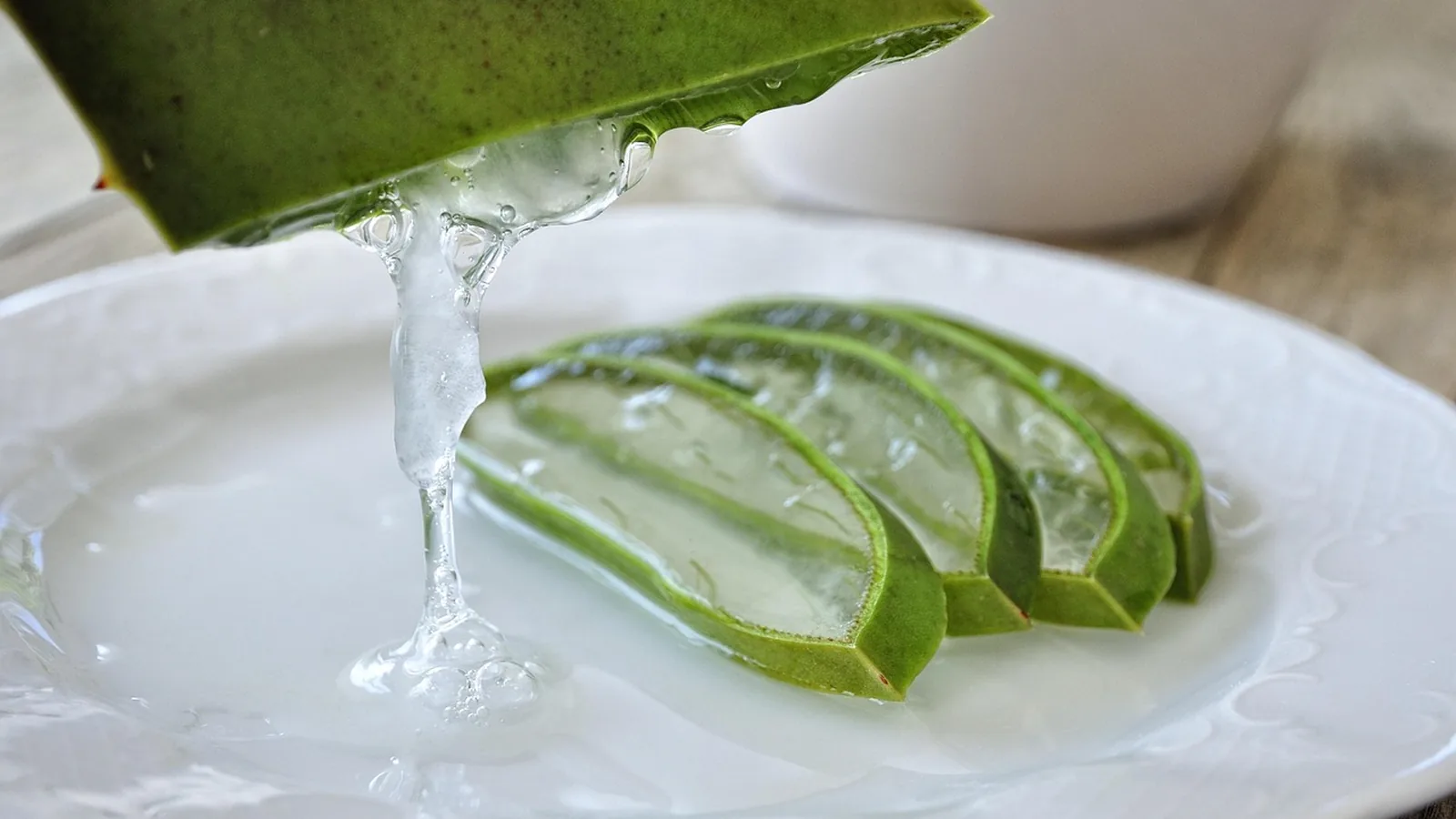
Aloe vera is a succulent plant. Two different materials come from it: the clear inner gel, used on skin, and the latex, a bitter yellow sap found just under the leaf skin, used for centuries as a laxative. Hemorrhoid remedy guides often mix the two up or recommend both. They carry very different risks, so it helps to treat them as separate products.
Aloe gel on the skin
The NCCIH says topical use of aloe gel is generally well tolerated, with occasional reports of burning, itching, rash and eczema. It notes that small studies suggest aloe gel may speed healing of burns and reduce burn pain and may help some other skin conditions, with limited evidence. It does not list hemorrhoids, and we could not find trials of aloe for hemorrhoids that we could verify. The reasonable expectation is a cooling, moisturizing comfort effect on irritated skin outside the anus, not a reduction of the swollen tissue.
The NIDDK and NHS treatment pages we rely on list fiber, fluids, warm baths, cold packs and short-term OTC creams; aloe is not among them. That does not make a gentle gel dangerous; it means it is an optional comfort measure, not a first-line treatment. See home remedies for hemorrhoids for how it compares.
Aloe latex by mouth: why we say no
Some guides suggest swallowing aloe latex or aloe juice products to soften stool. The NCCIH states that oral use of aloe latex can cause abdominal pain, cramps and diarrhea, and that in 2002 the FDA required manufacturers to remove aloe latex from over-the-counter laxative products because of a lack of safety data. It adds that aloe taken by mouth may be unsafe during pregnancy and breastfeeding, and that overuse of aloe latex may increase the risk of side effects from cardiac glycosides such as digoxin. Diarrhea and cramping also work against hemorrhoids: frequent loose stools and straining both irritate the area.
If constipation is the problem, the better supported route is fiber and fluids (see how much fiber you need and fiber supplements). If you take any medicine, talk to your pharmacist before taking any aloe product by mouth. We give no dosing for oral aloe because we do not recommend it.
How to choose a gel
- Pure and fragrance-free. Look for a short ingredient list that is mostly aloe. Fragrance and dyes can irritate.
- Avoid alcohol-based gels (often sold for sunburn), which sting on sore skin.
- Avoid added essential oils or menthol near the anus; see tea tree and essential oils.
- Prefer a product made for skin, not a drink or supplement. Do not use a gel labelled for internal use as a rectal product.
- Fresh leaf gel: if you cut a leaf yourself, the yellow latex can irritate skin; people use only the clear inner gel. Packaged gel is simpler.
Using gel safely
- Patch-test a small amount on the inner forearm and wait a day.
- Apply to clean, dry skin outside the anus only, after washing; pat dry gently. Do not put it inside the rectum.
- Use a thin layer and keep it short term. If it burns or itches more, stop.
- Combine with the basics: soft stools, no straining and warm baths (sitz bath guide).
- See a clinician if there is bleeding, a lump that stays out, severe pain, or symptoms beyond about a week (NIDDK). See bleeding hemorrhoids.
Who should avoid it
- Anyone who has reacted to aloe or aloe-containing products before. Skip it if your skin burns, itches or comes up in a rash.
- People with open, bleeding or cracked skin, where gels can sting and may delay a proper diagnosis. A tear needs to be identified: see hemorrhoids vs anal fissures.
- Anyone pregnant or breastfeeding should not take aloe by mouth (NCCIH) and should ask a midwife or doctor before using gels. See hemorrhoids during pregnancy.
- People taking heart medicines such as digoxin, where overuse of aloe latex may increase side-effect risk (NCCIH). Skip oral aloe entirely.
- Children, unless a pediatrician advises.
Gel is not a replacement for a hemorrhoid cream recommended by a pharmacist, and it does nothing to the stool-softness and straining that cause flare-ups. Think of it, at best, as one soothing step among the basics.
What the program we read says
We read the member copy of the Hemorrhoids Healing Protocol provided by the publisher. It describes aloe gel for external hemorrhoids as soothing and inexpensive, and also describes aloe latex taken by mouth for constipation and as a traditional remedy, without the safety points the NCCIH lists. Our review covers where we disagree with the herbal chapter.
Affiliate note: the button below is an affiliate link. If you buy through it we may earn a commission at no extra cost to you. The publisher, Blue Heron Health News, gave us a free member copy of the program so we could read it; that did not buy a positive review. The publisher’s own sales page makes stronger claims than we can support, and we do not endorse them. How we handle this.
If you are comparing paid guides: the Hemorrhoids Healing Protocol is a $49 PDF with a long herbal section that includes aloe. We think its habits advice is mostly standard and its herbal advice needs caution. Read our review before you decide.
Questions to ask your doctor or pharmacist
- Is topical aloe gel suitable for my skin and my symptoms?
- Could my itching be a fissure, dermatitis or something else?
- Do my medicines or pregnancy status make any aloe product unsafe?
- What should I use for constipation instead of a laxative herb?
Frequently asked questions
Is aloe vera good for hemorrhoids?
Aloe gel on the skin may feel soothing, but we found no verified trials for hemorrhoids. It is an optional comfort measure, not a treatment.
Can I put aloe vera gel inside my anus?
We do not recommend it. Use gel on the skin outside only, and ask a clinician about products made for internal use.
Is it safe to drink aloe vera for hemorrhoids?
We advise against it. The NCCIH says aloe latex taken by mouth can cause cramps and diarrhea, and the FDA removed it from OTC laxatives in 2002. It may be unsafe in pregnancy.
Can aloe vera shrink hemorrhoids?
No evidence we could verify shows that it does.
What type of aloe gel is best?
Pure, fragrance-free gel without alcohol or added essential oils, applied after a patch test.
Can aloe vera stop hemorrhoid bleeding?
No. Rectal bleeding should be examined by a clinician, and heavy bleeding is an emergency.
Related reading
- Home Remedies for Hemorrhoids: What the Evidence Supports
- Coconut Oil for Hemorrhoids: What It Can and Can’t Do
- How to Use Hemorrhoid Cream Correctly
- Sitz Bath for Hemorrhoids: How to Do It Right
- Bleeding Hemorrhoids: What’s Normal and When It’s an Emergency
Medical disclaimer and last review. This page is general education, not medical advice, and it does not replace an examination by a clinician. It was written by the Comfort Below editorial team and has not been reviewed by a medical professional. Last reviewed on 20 October 2026 against the sources listed below. See our medical disclaimer.
Sources and further reading
Affiliate disclosure: some links on this page are affiliate links. If you buy through them we may earn a commission at no extra cost to you. See our affiliate disclosure and medical disclaimer.